

Peripheral Arterial Disease (PAD) Treatment in Vasai-Virar
Assessment and minimally invasive options to improve blood flow to the legs and feet.
Last updated 26 Oct 2026 · Dr. Chandrakant S. Kamble
In short
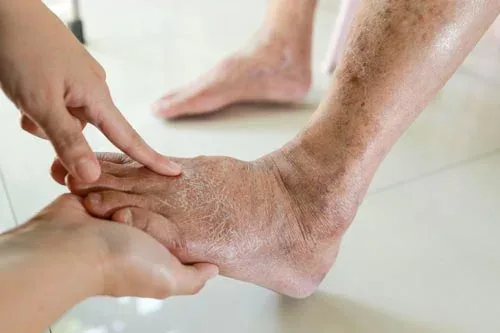
Peripheral arterial disease (PAD) affects blood vessels outside the heart and brain, most commonly in the legs. Plaque builds up in the arteries, narrowing them and reducing blood flow. It is more common in older adults and in people who smoke or have diabetes, high blood pressure, high cholesterol, or a family history of heart disease or stroke.
What is Peripheral Arterial Disease?
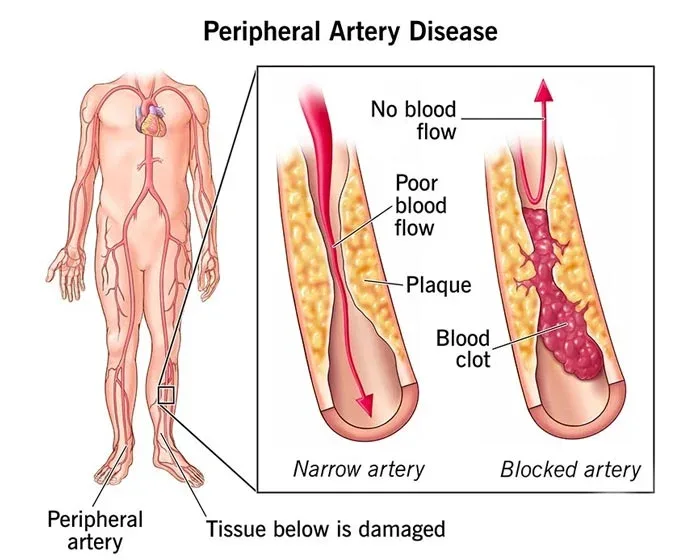
Peripheral arterial disease (PAD) affects blood vessels outside the heart and brain, most commonly in the legs. Plaque builds up in the arteries, narrowing them and reducing blood flow.
It is more common in older adults and in people who smoke or have diabetes, high blood pressure, high cholesterol, or a family history of heart disease or stroke. Untreated PAD can lead to ulcers, infections and other serious complications.
Common symptoms
Leg pain
Pain or cramping while walking (claudication).
Numbness
Numbness or weakness in the legs.
Coldness
Coldness or discolouration of the feet or legs.
Slow-healing sores
Wounds on the feet or legs that heal slowly.
Weak pulses
Weak or absent pulses in the legs or feet.
Hair loss
Hair loss and slow hair growth on the legs.
Care built around you
Experienced professionals
Focused on diagnosing and treating PAD.
Personalised approach
Plans built to relieve symptoms and improve circulation.
Comprehensive services
Medical management to minimally invasive interventions.
Hospitals & clinics

Midas Sonography & Vascular Clinic - Vasai 
Bhaktivedanta Hospital & Research Institute - Mira Road 
Sanjivani Hospital - Virar 
Cardinal Gracias Memorial Hospital - Vasai 
Prakriti Hospital - Virar
Discuss Peripheral Arterial Disease with Dr. Kamble
Book a consultation at the Vasai clinic. Bring previous scans or reports.
This page is for general information and is not a diagnosis or a substitute for an individual consultation. In an emergency, go to the nearest hospital. Read the website disclaimer.