Varicose Veins Treatment in Vasai-Virar
Doppler vein scan and a clear treatment plan at your first visit, without travelling to Mumbai.
Last updated 26 Oct 2026 · Dr. Chandrakant S. Kamble
In short
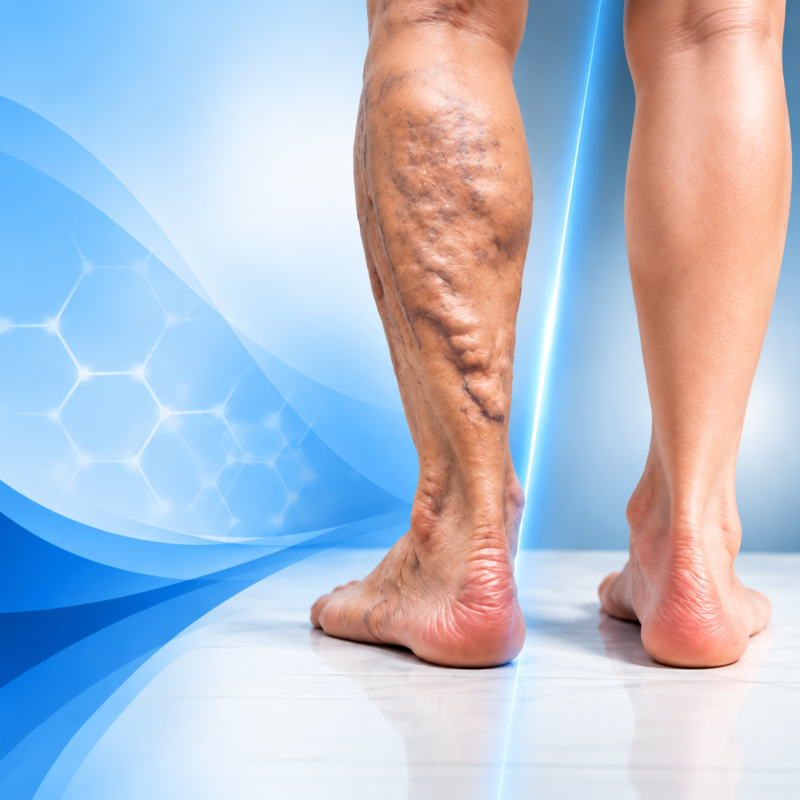
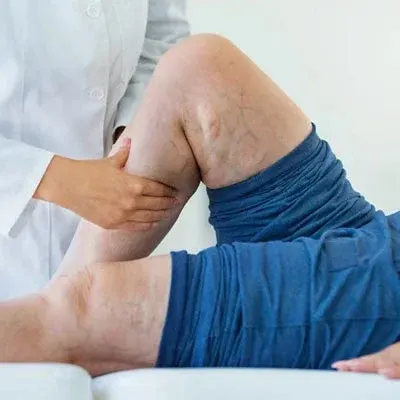
Varicose veins are swollen, twisted and bulging veins that commonly appear on the legs. They can cause discomfort, pain and changes in appearance. They occur when the valves inside the veins do not work correctly, allowing blood to flow backward and pool inside the veins, causing them to swell and bulge.
What are varicose veins?
Varicose veins are swollen, twisted and bulging veins that commonly appear on the legs. They can cause discomfort, pain and changes in appearance.
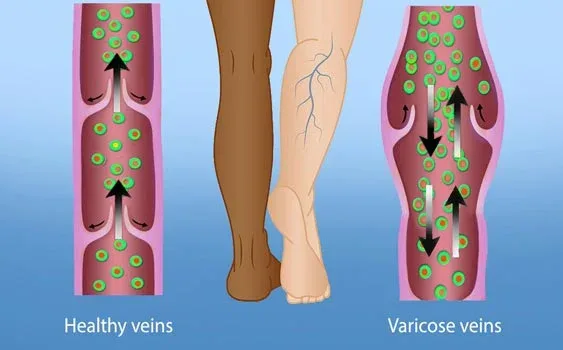
They occur when the valves inside the veins do not work correctly, allowing blood to flow backward and pool inside the veins, causing them to swell and bulge.
Risk factors
Common symptoms
Visible veins
Bulging or twisted veins that look blue, purple or darker than the surrounding skin.
Aching legs
Aching or painful legs, particularly after prolonged standing or sitting.
Heaviness
Heaviness or tiredness, often more noticeable toward the end of the day.
Swelling
Swelling in the legs or ankles, especially after standing for long periods.
Skin changes
Itching or skin discolouration around the affected veins.
Consult a doctor if varicose veins cause persistent pain, swelling, heaviness or itching, or if you notice skin colour changes, ulcers, bleeding or a painful, hard vein.
Treatment options
The right option depends on your examination and scan findings.
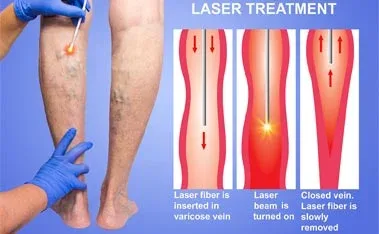
Laser treatment (endovenous ablation)
A minimally invasive procedure that uses laser energy to seal the affected vein. Most people return to routine activities soon after; your doctor will advise on recovery.
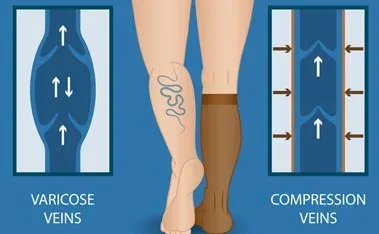
Compression stockings
Specialised stockings apply gentle pressure to the legs to support circulation and reduce discomfort.
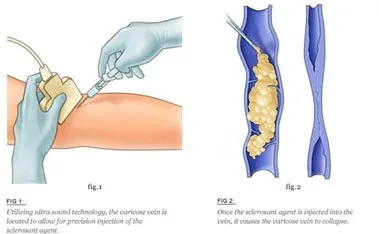
Sclerotherapy
A solution is injected into the vein so that it closes and fades over time. Some people need more than one session.
Care built around you
Specialist assessment
Evaluated by a vascular & interventional radiologist using duplex ultrasound.
Personalised plan
Treatment chosen on scan findings, not on appearance alone.
Modern equipment
Minimally invasive, image-guided procedures.
Hospitals & clinics

Midas Sonography & Vascular Clinic - Vasai 
Bhaktivedanta Hospital & Research Institute - Mira Road 
Sanjivani Hospital - Virar 
Cardinal Gracias Memorial Hospital - Vasai 
Prakriti Hospital - Virar
What are varicose veins?
Varicose veins are enlarged, twisted or bulging veins that usually develop in the legs when the valves inside the veins do not work properly. This can cause blood to flow backward and collect in the veins. They may cause pain, heaviness, swelling, itching, tiredness or skin changes. Some people have visible varicose veins without significant symptoms.
What causes varicose veins in the legs?
They are mainly caused by poor functioning of the valves inside the leg veins. Age, family history, pregnancy, excess weight and prolonged standing or sitting increase the likelihood. A clinical examination and duplex ultrasound can show whether venous reflux is contributing.
When should I see a doctor?
If varicose veins cause persistent pain, swelling, heaviness, itching or other discomfort, particularly when symptoms affect daily activities. Assessment is especially important for skin colour changes, skin damage, ulcers, bleeding or a painful, hard vein.
Can varicose veins be cured?
Varicose veins can be treated, but treatment does not guarantee that new varicose veins will never develop. The right treatment depends on the veins involved and whether there is underlying venous reflux.
Does treatment require surgery?
Not always. Many patients can be treated with minimally invasive procedures such as endovenous thermal ablation or ultrasound-guided foam sclerotherapy. Traditional surgery may be considered in selected cases.
Is varicose vein treatment painful?
Discomfort depends on the procedure and the individual. Many treatments use local anaesthesia. Temporary soreness, bruising or tightness may occur afterwards; Dr. Kamble explains recovery and aftercare for your specific plan.
How much does treatment cost?
Cost depends on the severity of the condition, the veins involved, investigations and the treatment method, so there is no single price. An initial assessment and, when required, a duplex ultrasound help determine the treatment needed.
Do I need a Doppler / duplex ultrasound?
A duplex ultrasound is commonly used, particularly when a procedure is being considered. It shows blood flow through the veins, identifies venous reflux and helps plan treatment.
What patients say on Google
Discuss Varicose Veins with Dr. Kamble
Book a consultation at the Vasai clinic. Bring previous scans or reports.
This page is for general information and is not a diagnosis or a substitute for an individual consultation. In an emergency, go to the nearest hospital. Read the website disclaimer.